

LVT Flooring Denver offers a cost-effective, durable alternative to traditional flooring, with prices ranging from $5-$10 per square foot. Key steps include subfloor preparation, layout planning, professional installation or DIY, and proper humidity control. LVT's resistance to moisture and extreme temperatures makes it ideal for humid areas, returning 72% on investment compared to hardwood. Reputable providers offer 20-30 year warranties and minimal maintenance requirements.
Replacing wood floors with a durable and cost-effective alternative is a growing trend among homeowners and property managers in Denver. The traditional appeal of wood flooring must often yield to practicality, especially in high-traffic areas or regions with varying climates. LVT (Luxury Vinyl Tile) flooring Denver has emerged as a top choice for its ability to mimic the look of wood while offering superior resistance to scratches, water damage, and fading. This article delves into the financial implications of this transition, providing valuable insights for those considering LVT flooring in Denver.
- Understanding LVT Flooring Denver Costs: Factors to Consider
- Removal Process: Preparing Your Denver Home for New Floors
- Installing LVT: Step-by-Step Guide and Professional Tips
- Long-Term Savings: Why LVT is a Smart Choice for Denver Homes
Understanding LVT Flooring Denver Costs: Factors to Consider

When considering LVT flooring Denver, understanding the cost is a crucial step in your renovation journey. The price of replacing wood floors with LVT can vary significantly based on several factors. For instance, the complexity of the installation process, the size and condition of your space, and your choice of LVT style and quality all play a part. In Denver, where the real estate market is both competitive and diverse, homeowners often seek practical yet aesthetically pleasing solutions for their floorings, making LVT flooring Denver a popular choice.
LVT, or Luxury Vinyl Tile, offers an affordable alternative to wood floors while providing durability and water resistance. The cost of LVT flooring replacement Denver can range from $5 to $10 per square foot, depending on the factors mentioned above. For example, a smaller bathroom renovation using basic LVT tiles might cost around $750, while a larger living area with custom designs and high-end LVT could surpass $3000. It’s important to remember that these are estimates; actual costs can vary widely based on project specifics.
In addition to the LVT itself, you should factor in labor costs for installation, especially when considering more intricate layouts or stair runners Denver. Professional installers can add 10-20% to your total budget, but their expertise ensures a neater, longer-lasting finish. For instance, if you opt for custom stair runners Denver alongside your LVT flooring replacement, the overall expense will increase accordingly. Conversely, DIY installation might save on labor costs but necessitates a deeper understanding of LVT flooring and more precise measurements to avoid waste.
Removal Process: Preparing Your Denver Home for New Floors

The removal process of your existing wood floors before installing LVT flooring in Denver is a critical step that requires careful preparation. This involves assessing the condition of your subfloor, ensuring it’s clean and free from debris, and potentially addressing any structural issues. In many cases, especially in older homes, removing carpet or tile flooring to expose the wood underneath can reveal hidden damage or warped boards. It’s not uncommon for Denver homeowners to discover uneven surfaces or loose nails during this phase, which may necessitate repairs or replacements before proceeding with LVT installation.
Preparation also includes deciding on a layout for your new LVT flooring in Denver. This could involve rearranging furniture and fixtures to gain access to tight spaces or planning around specific architectural features. For instance, if you’re installing LVT over concrete slabs, proper moisture barrier protection is crucial. Carpet tiles in Denver or tile flooring options are sometimes removed as part of this process to accommodate the new LVT, ensuring a seamless fit without any gaps or overlaps.
Once your home is ready, professional contractors can begin the meticulous task of removing the old flooring and preparing the subfloor for the durable LVT flooring Denver residents prefer. This involves careful disposal of waste materials, patching holes, and leveling the surface, all of which contribute to a solid foundation for your new floor. Proper preparation not only ensures the longevity of your LVT flooring but also plays a significant role in achieving an aesthetically pleasing finish.
Installing LVT: Step-by-Step Guide and Professional Tips

When considering a floor upgrade in Denver, particularly in homes or commercial spaces, transitioning from traditional wood floors to Luxury Vinyl Tile (LVT) flooring presents an appealing option. LVT flooring Denver has become increasingly popular for its versatility, durability, and cost-effectiveness. This guide offers a step-by-step approach to installing LVT, providing insights that cater to both DIY enthusiasts and those seeking professional services in the Denver market.
The first step involves preparing the subfloor, ensuring it is clean, dry, and free from any debris or existing floor coverings. In many cases, an underlayment might be recommended to enhance insulation and noise reduction, especially when replacing old flooring. Top-rated LVT flooring brands in Denver, such as Shaw and Armstrong, offer a wide array of designs that mimic the look of wood, stone, or ceramic tile, making it crucial to select a style that aligns with your interior aesthetic. Once the subfloor is ready, cut the LVT tiles to fit the space, ensuring proper joints for a seamless finish.
Next, start laying the LVT planks or tiles, beginning from one corner and working your way across the room. Use an adhesive suitable for vinyl flooring to ensure long-lasting results. Denver’s diverse climate demands consideration; during installation, maintain optimal humidity levels to prevent warping or bubbling. Professional installers in Denver often recommend using a spacing mat to ensure consistent gaps between planks, enhancing overall appearance. Finally, trim any excess material around doorjambs and baseboards, and seal the edges for a complete transformation that rivals any high-end flooring.
Long-Term Savings: Why LVT is a Smart Choice for Denver Homes
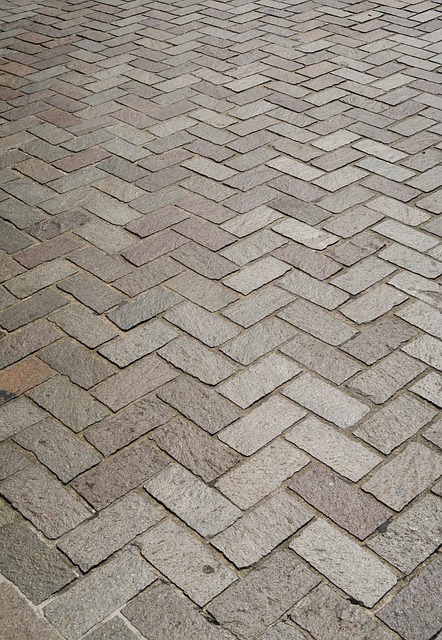
When considering a flooring upgrade in Denver, opting for LVT (Luxury Vinyl Tile) flooring presents a compelling case for long-term savings and smart investment. This durable and versatile material offers a cost-effective alternative to traditional wood floors, especially when factoring in its longevity and low maintenance requirements. Unlike wood, which can warp or rot over time, LVT is resistant to moisture and extreme temperatures, making it ideal for spaces like kitchens and bathrooms where water exposure is common.
Over the lifespan of your home, choosing LVT flooring Denver can result in significant savings. The initial cost may be lower than high-end wood floors, but LVT’s durability means you’ll spend less on repairs and replacements. For instance, a study by the National Floor Covering Association found that vinyl flooring retains its value better than wood, with an average return on investment of 72% compared to 61% for hardwood. Moreover, LVT flooring Denver from reputable companies like those offering laminate flooring Denver services, often provide warranties covering 20-30 years, ensuring peace of mind and further reducing long-term costs.
Another advantage lies in the ease of maintenance. LVT floors require minimal upkeep, saving time and money on cleaning and repairs. A quick sweep or mop is usually all that’s needed to keep them looking their best. This is particularly beneficial for busy households or those seeking low-maintenance options. Additionally, with advancements in printing technology, LVT flooring can mimic the appearance of real wood or stone, offering aesthetic appeal without the associated costs and maintenance of natural materials.
Replacing wood floors with LVT flooring in Denver involves a considered approach, as highlighted by this comprehensive guide. Key takeaways include understanding the average LVT flooring Denver costs, which vary based on material, style, and room size. The removal process requires careful preparation, while installation is simplified by a step-by-step guide. LVT offers long-term savings due to its durability and low maintenance requirements. By considering these factors, homeowners can make informed decisions, ensuring their investment in LVT flooring Denver yields both aesthetic enhancement and financial benefits.